Texas · Hometown Post
Mortgage holders have been warned to brace for a more expensive 2027 as 44 banks pass on the RBA’s latest rate hike. Millions of mortgage holders are being hit with higher rates from today after the big four banks passed on the Reserve Bank’s latest hike in full. While the bigger repayments won’t bite straight away for many households, experts warn borrowers should brace for a more expensive 2027.
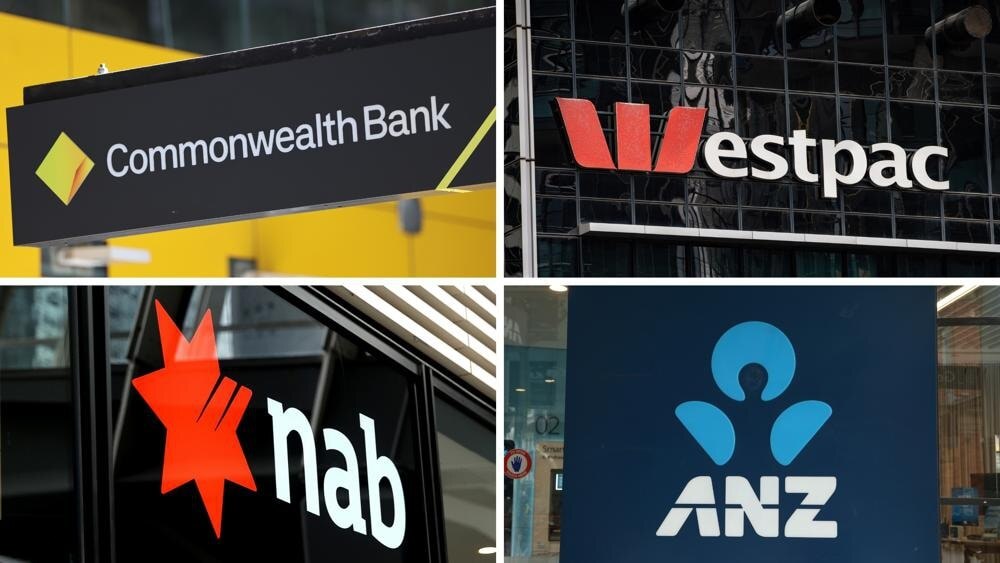
The Commonwealth Bank, Westpac, NAB and ANZ are among 44 lenders to have lifted their variable home loan rates by 0.25 percentage points in line with the Reserve Bank of Australia’s latest move. Among the majors, Westpac now has the lowest advertised variable rate at 6.49 per cent. CBA follows at 6.59 per cent, NAB ranges from 6.54 per cent to 7.29 per cent, and ANZ sits at 6.75 per cent.
Source: Canstar While the higher interest rates take effect immediately, many borrowers won’t see the extra hit to their monthly direct debit for another couple of months, meaning some households may not start paying more until the new year. Even so, the warning for mortgage holders is stark. With the cash rate now at its highest level since 2008 and little prospect of cuts in the near term, borrowers on variable loans are being told to get used to a more expensive reality.
Canstar analysis shows a typical borrower with a $600,000 mortgage at the start of this year could end up paying an estimated $2738 more in 2027 than they did in 2026 if the cash rate remains at its current setting. For a borrower with a $1 million mortgage, that figure climbs to more than $4500. The pressure is not being felt evenly APRA data shows funds sitting in offset accounts are near a record high at $340.5bn, but full-year results from the big four suggest between 12 and 15 per cent of mortgage customers have no buffer at all.
Canstar data insights director Sally Tindall said the latest round of increases would again test household budgets. Source: Canstar “The rubber hits the road, once again, for millions of Australian mortgage holders, with all four major banks officially passing on the RBA’s latest hike in full,” she said. “That said, while the majors will start charging their variable rate customers that higher interest rate from today, they’re going to give you a lot more runway before automatically hiking your direct debit.
“If you’ve got a mortgage, stay on top of which rate hike you’re paying for and what’s still to come. The five hikes in relatively quick succession can make it confusing to know whether you’re actually up to hike number three, four or five. Ms Tindall said borrowers should not expect meaningful relief any time soon.
“While the prospect of a further rate hike isn’t off the table yet, rate cuts could not be further from the RBA’s agenda, which means borrowers will have to settle into a new norm of higher rates,” she said. Source: Canstar “Five rate hikes in a year is enough to make any borrower feel like they’re on a financial treadmill, only the speed keeps going up. “This means, even if the RBA doesn’t lift rates again, a typical borrower with a $600,000 debt may have to find an extra $2,738 in 2027 just to keep on top of their minimum repayments, compared to 2026.
“For someone with a $1 million debt, they’re looking at over $4500 more. That’s a massive chunk of after-tax income to pull out of an already-stretched family budget.” What should borrowers who can’t afford the higher repayment do? For borrowers worried about how they will cope, the message from experts is to act early.
The first step is to call your lender and ask for a rate review. If the bank refuses to move and repayments are becoming unmanageable, borrowers can ask about alternatives such as interest-only repayments, part payments or a formal hardship arrangement. Importantly, homeowners do not have to wait until they miss a repayment to ask for help.
Under the National Credit Code, borrowers have a legal right to request a hardship variation from their lender. Financial counsellors say it is far better to reach out before falling behind, which may help avoid default, extra fees and longer-term damage to a credit file. Once a hardship request is made, a bank must respond in writing within 21 days.
A hardship arrangement does not affect a borrower’s credit score, provided they stick to the revised repayment schedule, although the arrangement will be noted on their credit file for 12 months after it ends. A default, by contrast, can remain on a credit file for up to five years. Borrowers needing support can also contact the National Debt Helpline on 1800 007 007 for free financial counselling.
Source: Real Estate